
Cummins HPI injector: from structure to the whole process of injection
The Cummins HPI-TP system decouples fuel metering and injection timing into two independent closed-loop systems, ensuring every drop of fuel enters the cylinder at the 'just-right' moment. This approach not only boosts thermal efficiency but also cuts particulate emissions by half, forming the core logic for carbon reduction in heavy-duty diesel engines.
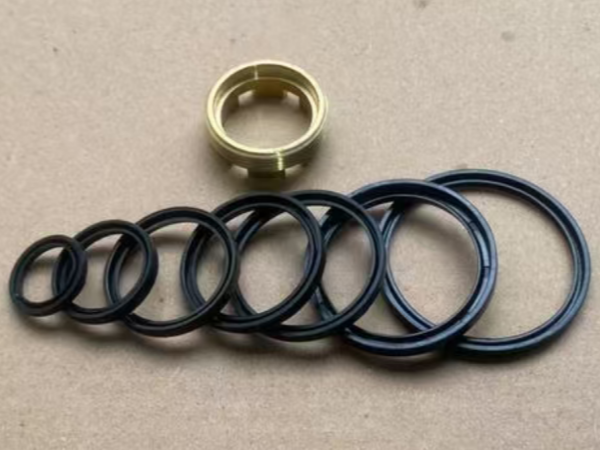
1.Four Sealing Rings-Make the High Pressure Oil Circuit into a "Three Rooms and One Hall"
The injector body is fitted with four O-rings, functioning as four gates:
timing fuel chamber, metering fuel chamber, return oil chamber, lubrication and diesel isolation chamber
Diesel and lubricating oil are strictly segregated, with leakage paths physically sealed, preventing odor transfer even under prolonged high-temperature and high-pressure conditions.
2.The integral nozzle assembly makes the oil leakage impossible
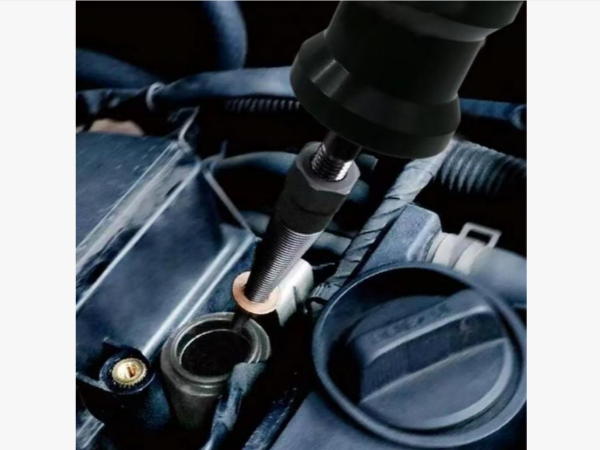
Traditional injectors rely on bolts to press the nozzle against the cylinder head, which can lead to oil leakage over time. HPI integrates the nozzle, plunger, and spring into a single unit, eliminating the sole leakage path. During disassembly and assembly, only two fixing screws need to be unscrewed, completing the process in just 30 seconds and doubling on-site maintenance efficiency.
3.Cam Pressing Down-Lower Plunger Sitting on Seat
The camshaft rotates, and the tappet firmly presses the lower plunger against the fuel injector seat, sealing the metering chamber and timing chamber to prepare for subsequent fuel injection. At this stage, the upper plunger and timing plunger remain stationary, with the three plungers arranged in a "pin" configuration.
4.The appearance of metering fuel inlet hole
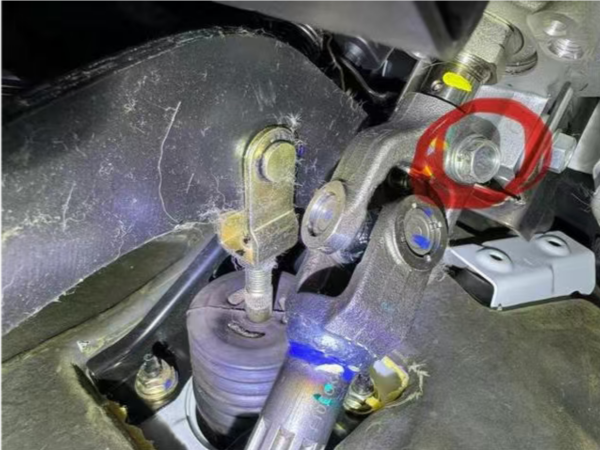
The cam enters the base circle, synchronizing the three plungers to move upward. The lower plunger first reaches the 'top dead center,' exposing the metering oil hole. When the metering valve is energized, the check valve opens, allowing high-pressure diesel to flow into the metering chamber. The oil injection volume is precisely determined by the duration of power supply.
5.fuel timing hole in place
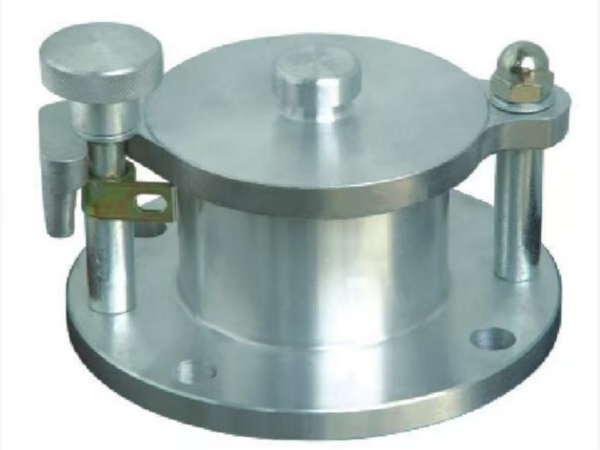
The upper piston continues its upward movement, with the timing piston moving in tandem. The biasing spring engages the timing piston with the upper piston, exposing the timing fuel inlet and initiating fuel injection. The injection advance angle equals the timing fuel volume, where longer valve energization results in a greater advance angle.
6.Lowering of Upper Plunger — Advance Angle Locking
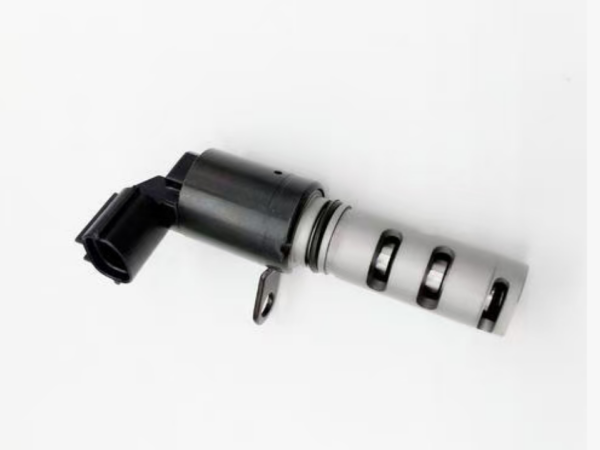
The cam rotates, causing the upper piston to descend and instantly cutting off the fuel supply. The timing piston then moves downward under hydraulic pressure, engaging with the lower piston to form a unified three-piston assembly. This seals the metering chamber, triggering a surge in pressure that releases high-pressure diesel into the cylinder upon command.
7.The Ejection Begins-The Down Plunger Overflows and Decompresses
The lower piston descends to the bottom, connecting the overflow oil passage to the injector body, allowing instantaneous pressure relief of the high-pressure diesel. Simultaneously, the compression spring presses the lower piston against the nozzle seat surface, forming a secondary seal to store pressure for the next cycle.
8.Three-plunger assembly—waiting for the next cam event
When the upper piston reaches the bottom, the three pistons form a tight seal against the seat surface, completely blocking both the metering hole and the timing hole. This sealed state persists until the cylinder's exhaust stroke concludes, physically sealing the leakage path once more.
Operating pressure differential: 2000 bar (approximately 20 MPa), with a peak pressure tolerance of 2500 bar
Time-pressure dual closed loop: timing error ≤0.1, measurement error ≤0.2 mm³
TiN Coated Plunger: 3-fold Wear Resistance Improvement and Engine Overhaul Cycle Matching
Full electronic timing: eliminating the traditional mechanical advance, cleaner emission path
Monocoque design: No specialized tools required for on-site disassembly and assembly, single-cylinder replacement completed in 30 minutes
By integrating high pressure, high density, and high durability into a unified solution, the HPI injector achieves the optimal balance between emissions, fuel consumption, and reliability in diesel engines. Understanding its structure and logic is the key to mastering the technological evolution of heavy-duty diesel engines.