Blog
Bosch CP4 Pump Failure: Causes, Symptoms, and Prevention
Release time:2026-09-22
Views: 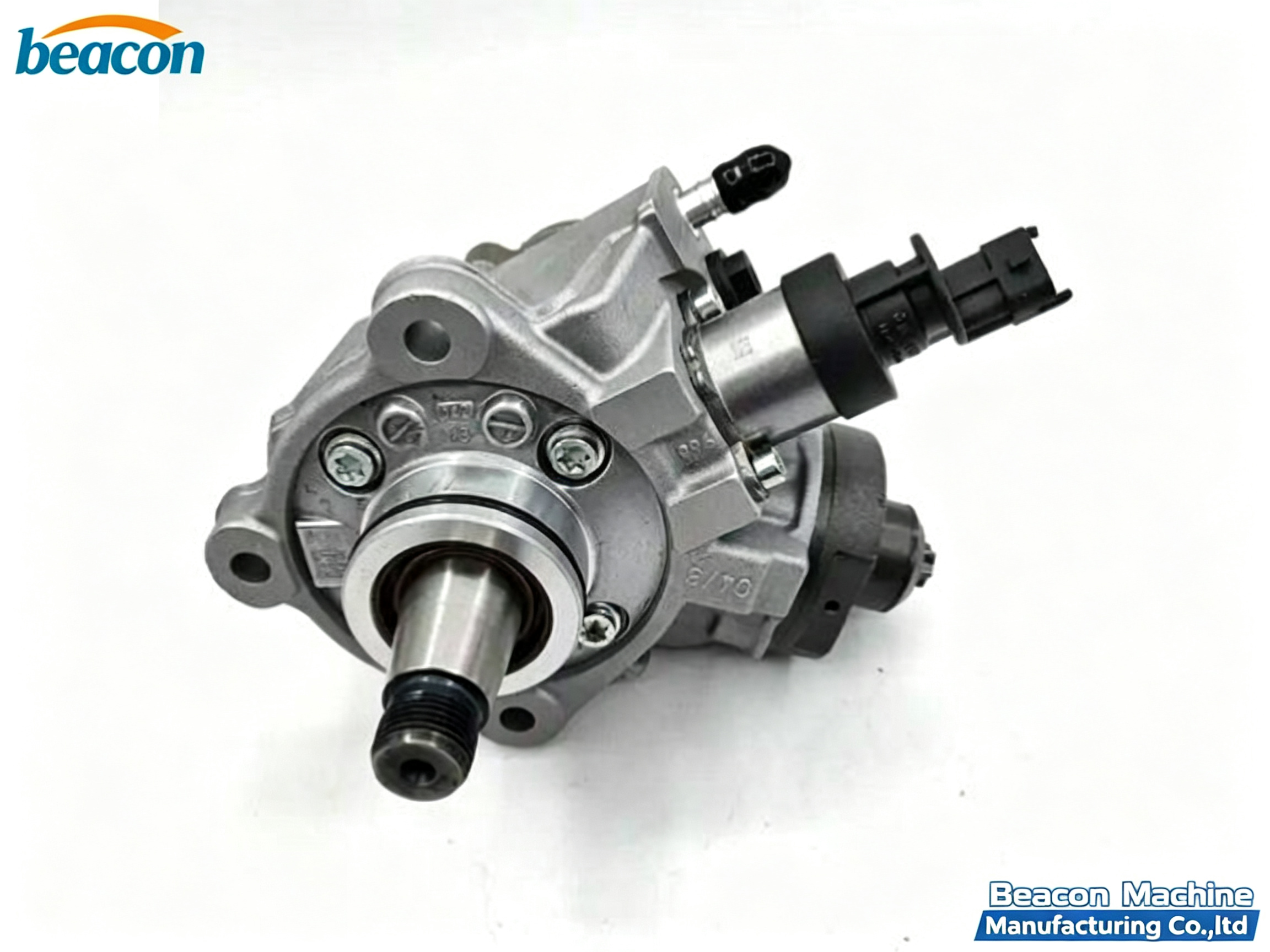 The Bosch CP4 is a modern common-rail high-pressure diesel pump fitted to cars, vans, trucks, and off-highway equipment. More efficient and emissions-friendly than the older CP3, it is far more sensitive to poor lubrication and improper service, leading to frequent and costly failures.
Applications
CP4 pumps equip most European TDI/HDi diesel models from VW, Audi, BMW, Peugeot, Ford and more. In North America, they are used in 2011+ Ford 6.7L Power Stroke and 2011–2016 GM Duramax pickups. European EN 590 diesel offers better lubricity and fewer failures, but risk remains.
Main Causes of CP4 Failure
Virtually all failures stem from four key issues:
- Poor fuel lubricity: Modern ultra-low sulfur diesel (ULSD) provides minimal lubrication, wearing the pump’s internal components.
- Dry running / air intrusion: Air in the fuel system causes fuel starvation. The unanchored internal lifter rotates, scuffs the main shaft, and produces metal debris.
- Fuel contamination: Water, dirt, rust, or chemical residues from unregulated storage tanks abrade pump and injector internals.
- Incorrect servicing: Starting the engine without properly priming the fuel system after filter changes leads to destructive dry-run operation.
Why CP4 Failure Is Severe
Failed CP4 pumps release microscopic metal particles that spread across the entire fuel system, contaminating injectors, rails, lines, and the fuel tank. This causes injector sticking, leakage, and poor fuel atomization.
Correct Repair Procedure
Replacing only the pump will result in repeat failure. All contaminated components (injectors, rails, sensors, lines, lift pump) must be replaced, and the entire fuel system fully flushed to eliminate residual metal debris.
Failure Symptoms
- Hard or prolonged engine cranking
- Low fuel rail pressure fault codes
- Frequent limp mode under load
- Metallic noise from the pump housing
- Metal shavings in the fuel filter
- Sudden engine stall and no restart (severe failure)
Stop driving immediately if symptoms appear to avoid total system contamination.
Prevention Tips
- Use only reputable clean diesel and quality fuel lubricity additives.
- Avoid fuel from unfiltered drums or onsite storage prone to contamination.
- Properly bleed and prime the fuel system with diagnostic tools after every service; never crank to self-prime.
- Inspect fuel filters routinely for metal debris for early failure detection.
FAQs
Warranty coverage? Depends on vehicle age, mileage, and manufacturer terms; coverage is not guaranteed.
Can you drive with early symptoms? No — continued driving spreads debris and exponentially increases repair costs.
Can a filter change damage the pump? Yes, if air is left in the system and the pump runs dry during startup.
Is pump-only replacement enough? No, full system cleaning and component replacement are required.
CP3 vs CP4? CP3 is robust and reliable; CP4 is more efficient but far more sensitive to lubrication and dry running.

 English
 Русский
 Español